

Bitcoin is widely known for its dramatic price swings. These movements can create both significant opportunities and substantial risks for investors.
Bitcoin volatility refers to the magnitude and frequency of price changes in Bitcoin over a given period. Compared to traditional assets like stocks or bonds, Bitcoin has historically experienced much larger and faster price fluctuations.
Understanding why Bitcoin is volatile helps investors manage risk, interpret market cycles, and make more informed investment decisions.
What is Bitcoin Volatility?
Bitcoin price volatility is one of the most discussed characteristics of the cryptocurrency market.
Volatility refers to the degree of variation in an asset’s price over time. Highly volatile assets experience frequent and substantial price swings, while less volatile assets have more stable price movements.
Bitcoin’s volatility is significantly higher than that of traditional financial assets like stocks and bonds. While this volatility can present opportunities for substantial gains, it also introduces risks that require careful consideration.
Is Bitcoin More Volatile Than Traditional Assets?
Bitcoin has historically been more volatile than most traditional financial assets.
For example:
The S&P 500 typically experiences annual volatility of around 15–20%.
Gold generally sees volatility closer to 10–15%.
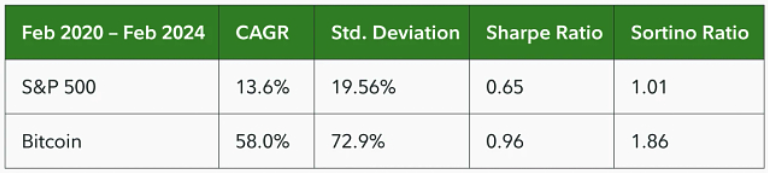
Bitcoin has historically experienced volatility levels above 60–80% annually, though this has gradually declined as the market matures.
This higher volatility is largely due to Bitcoin’s relatively young market, evolving regulation, and rapidly changing investor demand.
However, as institutional participation grows and market liquidity improves, many analysts believe Bitcoin’s volatility may gradually decline over time.
Key Causes of Bitcoin Volatility
Several factors contribute to Bitcoin’s price fluctuations, including market dynamics, regulatory developments, and macroeconomic conditions. Below are some of the primary drivers:
1. Supply and Demand Mechanics
Bitcoin’s fixed supply of 21 million coins has created a scarcity effect that influences price movements. When demand for Bitcoin increases—whether due to institutional adoption, media coverage, or macroeconomic uncertainty—the price tends to surge. Conversely, reduced demand or profit-taking by investors can trigger significant price declines.
2. Market Sentiment and Speculation
Like most cryptocurrency markets, Bitcoin’s price is highly sensitive to market sentiment. Positive news, such as major companies adopting Bitcoin or regulatory approvals for crypto investment products, can drive bullish momentum. On the other hand, negative events, such as exchange hacks or regulatory crackdowns, often lead to sharp declines. This sentiment-driven nature of Bitcoin trading amplifies price swings.
3. Liquidity and Market Depth
Compared to traditional financial markets, Bitcoin markets have relatively lower liquidity, meaning that large buy or sell orders can impact prices more significantly. When institutional investors or large holders (whales) move funds, it can create sudden price fluctuations.
Similarly, when trade activity is low, the market becomes more susceptible to a surge in pricing from smaller trades.
4. Regulatory Developments
Regulatory actions from governments and financial watchdogs influence Bitcoin’s price direction. Positive regulatory clarity, such as the approval of Bitcoin ETFs, often leads to price surges, while restrictive regulations, such as bans on crypto exchanges or taxation policies, can cause sell-offs and therefore, price drops.
Regulatory clarity has accelerated in 2025, particularly in the United States. Following a pro-crypto shift in the new administration, new legislation was passed that provided a clearer framework for the industry, boosting investor confidence. Additionally, new accounting guidelines for corporations holding Bitcoin on their balance sheets have been implemented, which is expected to further drive institutional demand.
5. Macroeconomic Events and Inflation Hedge Narrative
Bitcoin has increasingly been compared to gold as a store of value, especially in times of economic uncertainty. Events such as interest rate changes, inflation reports, and global financial instability can impact Bitcoin’s price. During times of crisis, Bitcoin may experience price surges as investors seek alternative assets, while higher interest rates may discourage investment in speculative assets like Bitcoin.
6. Leverage and Derivatives Trading
The growth of derivatives markets, such as Bitcoin futures and options, has amplified Bitcoin’s volatility. Leverage allows traders to borrow funds to increase their position size, but it also magnifies price swings. Liquidations of highly leveraged positions can lead to rapid price declines or spikes, often triggering a cascading effect across the market.
Historical Examples of Bitcoin Volatility
Understanding Bitcoin’s volatility requires analysing past market cycles. Here are a few key moments in Bitcoin’s price history:
-
2017 Bull Run and Crash: Bitcoin surged from $1,000 in early 2017 to nearly $20,000 in December, thriving on retail FOMO (fear of missing out). However, a market correction in early 2018 led to an 80% drop, highlighting the risks of speculative excess.
-
March 2020 COVID-19 Crash: Bitcoin fell by nearly 50% in a single day amid global financial panic. However, it recovered quickly as liquidity entered the market and millions of retail investors began buying Bitcoin as a hedge against inflation.
-
2021 Institutional Adoption and Corrections: Bitcoin reached an all-time high of $69,000 in November 2021, driven by corporate adoption, Tesla’s Bitcoin purchase, and growing mainstream acceptance. However, several market corrections followed from this due to regulatory uncertainties and tight monetary policy from central banks globally.
-
2024-2025 Bull Run and New Highs: Following the approval of spot Bitcoin ETFs and a halving event in 2024, Bitcoin's price surged to new all-time highs above $100,000 and reached as high as $123,000 in mid-2025. This was driven by unprecedented demand from both institutional and retail investors. However, there were also significant pullbacks in early 2025, with prices falling by over 30% during periods of macroeconomic uncertainty and geopolitical tension, such as the imposition of new tariffs.
How Traders Can Navigate Bitcoin’s Volatility
Despite its inherent volatility and speculative nature, Bitcoin remains an attractive asset for investors. To manage risks and optimise returns, investors should consider the following strategies:
1. Long-Term Perspective (HODLing)
Investors who adopt a long-term approach—often referred to as "HODLing"—tend to fare better than those attempting to time the market. Bitcoin’s historical price trends indicate that patience and strategic accumulation yield better results than reacting to short-term price swings.
2. Dollar-Cost Averaging (DCA)
DCA is a strategy where investors buy Bitcoin at regular intervals, regardless of price fluctuations. This method reduces the impact of market volatility and helps investors avoid making impulsive decisions based on short-term price movements.
3. Diversification
While Bitcoin is a compelling asset, it should be part of a diversified investment portfolio. Allocating funds across different asset classes, such as stocks, bonds, and other cryptocurrencies, helps mitigate risk and balance overall returns.
4. Understanding Market Cycles
Bitcoin follows market cycles, characterised by periods of accumulation, expansion, peak euphoria, and correction. Recognising and being aware these phases can help investors make informed decisions about entry and exit points.
5. Risk Management and Stop-Loss Orders
Investors should define their risk tolerance and use stop-loss orders to protect against severe downturns. Setting predetermined price levels to exit a trade can help minimise losses during volatile market conditions.
6. Keeping Up with Market News and Regulations
Staying informed about Bitcoin-related news, regulatory updates, and macroeconomic trends allows investors to anticipate potential price movements. Trusted sources, such as financial news outlets, regulatory announcements, and blockchain analytics, can provide valuable insights.
7. Avoiding Excessive Leverage
While leverage can amplify gains, it also increases the risk of liquidation. Investors should do this very cautiously, understanding that overleveraging can lead to significant losses, especially in volatile markets.
Frequently Asked Questions (FAQs)
bWhy is Bitcoin so volatile?
Bitcoin is volatile because it is a relatively new asset class with fixed supply, global 24/7 trading, and strong sensitivity to investor sentiment and macroeconomic events.
Is Bitcoin volatility decreasing?
Bitcoin’s volatility has gradually declined as the market has matured and institutional investors have entered the space. However, it remains more volatile than traditional assets like stocks and gold.
Is Bitcoin volatility good for investors?
Volatility creates both risk and opportunity. Long-term investors often view volatility as a normal characteristic of emerging assets.
Understanding Bitcoin’s Price Dynamics
Bitcoin volatility is one of the defining characteristics of the cryptocurrency market. While dramatic price swings can appear intimidating, they are also a reflection of Bitcoin’s rapid growth and evolving adoption.
By understanding the drivers behind Bitcoin’s price fluctuations, investors can better manage risk and develop a disciplined investment strategy.
Over time, increasing institutional participation, improved market infrastructure and growing global adoption may gradually stabilise Bitcoin markets. However, volatility is likely to remain an inherent feature of this emerging asset class.
For investors willing to take a long-term perspective, volatility can be an opportunity rather than a barrier.
At Caleb & Brown, our knowledgeable crypto brokers can help you make informed decisions and strive for competitive returns. Contact us today for expert guidance on cryptocurrency.
from Caleb & Brown Cryptocurrency Brokerage.
.webp?u=https%3A%2F%2Fimages.ctfassets.net%2F4ua9vnmkuhzj%2FuIaUbUNRbO1LdljRWKvoI%2Fd93965ff275cd47f8c19fcc71edcd42e%2FBitcoins_Market_Cycle_V3-01__1_.jpg&a=w%3D3840%26h%3D2160%26fm%3Dwebp%26q%3D80&cd=2023-02-21T06%3A17%3A39.793Z)

.webp?u=https%3A%2F%2Fimages.ctfassets.net%2F4ua9vnmkuhzj%2F7meVnT2vnQelBrt6W5yw73%2F8469fbdea8168e404fff363b35dd65a4%2FBitcoin_Halving-01__1_.jpg&a=w%3D3840%26h%3D2160%26fm%3Dwebp%26q%3D80&cd=2023-01-10T02%3A22%3A06.649Z)


